Project Summary
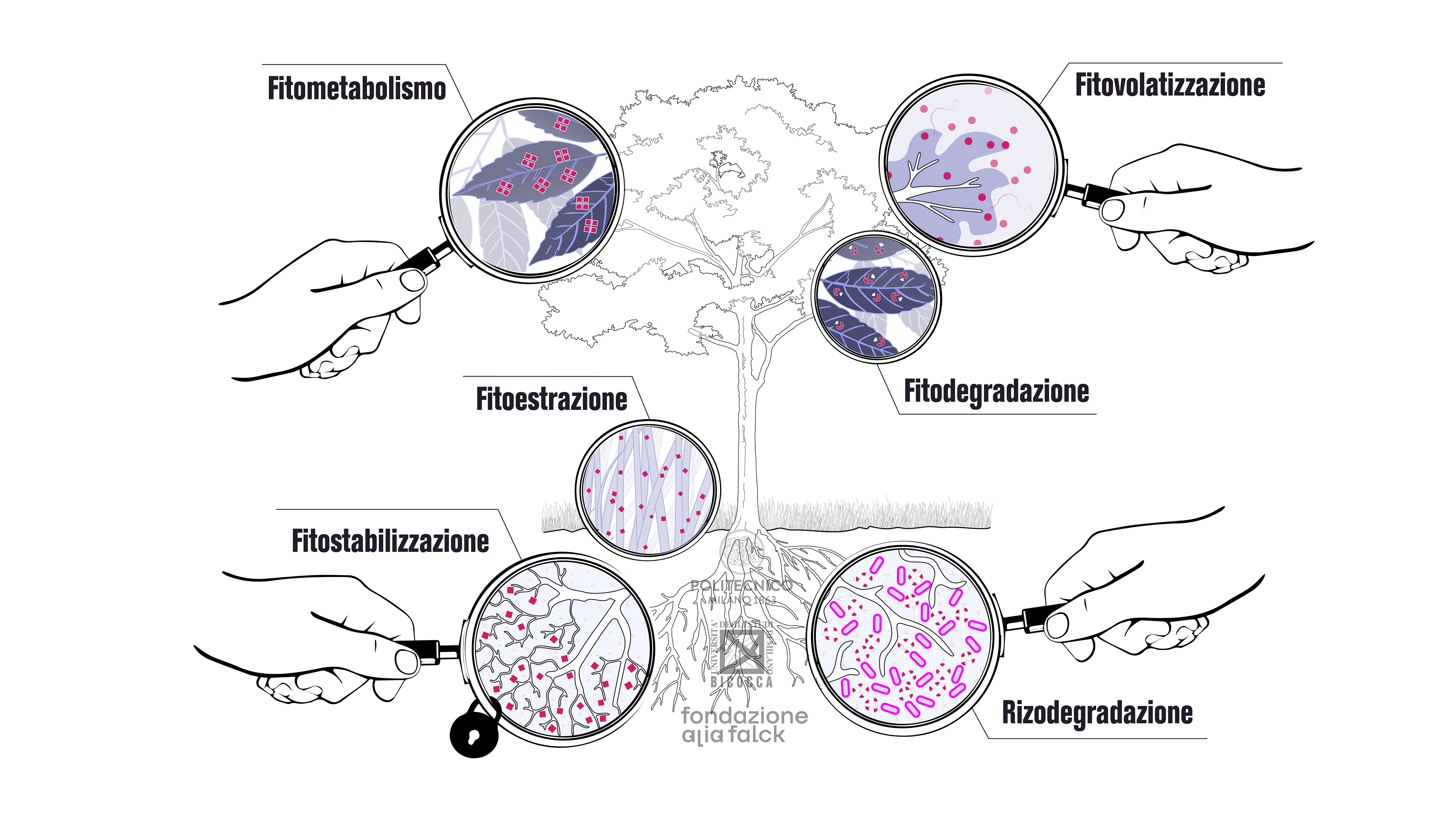
This research project was carried out by an interdisciplinary working group composed of the Department of Architecture and Urban Studies at the Politecnico di Milano and the Department of Biotechnology and Biosciences at the University of Milano-Bicocca. The project aimed to test the capacity of plant species to become part of territorial transformation processes within the Metropolitan City of Milan, activating remediation processes and providing an alternative to the traditional reclamation mathods.
Objectives
Assess the potential integration of phytoremediation strategies within territorial transformation processes. Promote both environmental and aesthetic enhancement of the landscape.
Develop practical guidelines for the different stakeholders involved in remediation processes.
Develop practical guidelines for the different stakeholders involved in remediation processes.
Target Groups
Public administration, Scientific community, Citizens and private stakeholders interested in phytoremediation solutions.
MY ROLE:
Audited all ongoing soil contamination procedures in the Milan Metropolitan Area to benchmark costs, timelines, and regulatory hurdles of remediation process.
Developed a georeferenced database to support decision making on ecological restoration and land regeneration strategies.
Built a GIS‑driven multicriteria model that cross‑maps contaminant loads, site constraints, and plant performance to flag parcels best suited for plant‑based remediation.
Drafted phytoremediation guidelines (decision trees, species‑selection tables, procurement clauses to help planners choose, fund, and manage low‑impact clean‑up options.
Contributed to methodological documentation and reporting to ensure transparent and traceable research workflows.
Conducted field observations and qualitative interviews with public authorities, technicians and researchers involved in remediation processes.
Produced reports, maps and scientific outputs for dissemination and knowledge sharing
Supervised and coordinated the work of the student Arzu Alvi who collaborated to the project during her mandatory internship.
The first activity carried out concerned the study and analysis of the problem of soil contamination in Italy, in the Lombardy region, and in the Metropolitan City of Milan. A review of Italian legislation on environmental protection and remediation was conducted in order to construct the regulatory framework of reference, understand the remediation process, and analyse the strengths and criticalities of the remediation procedure.
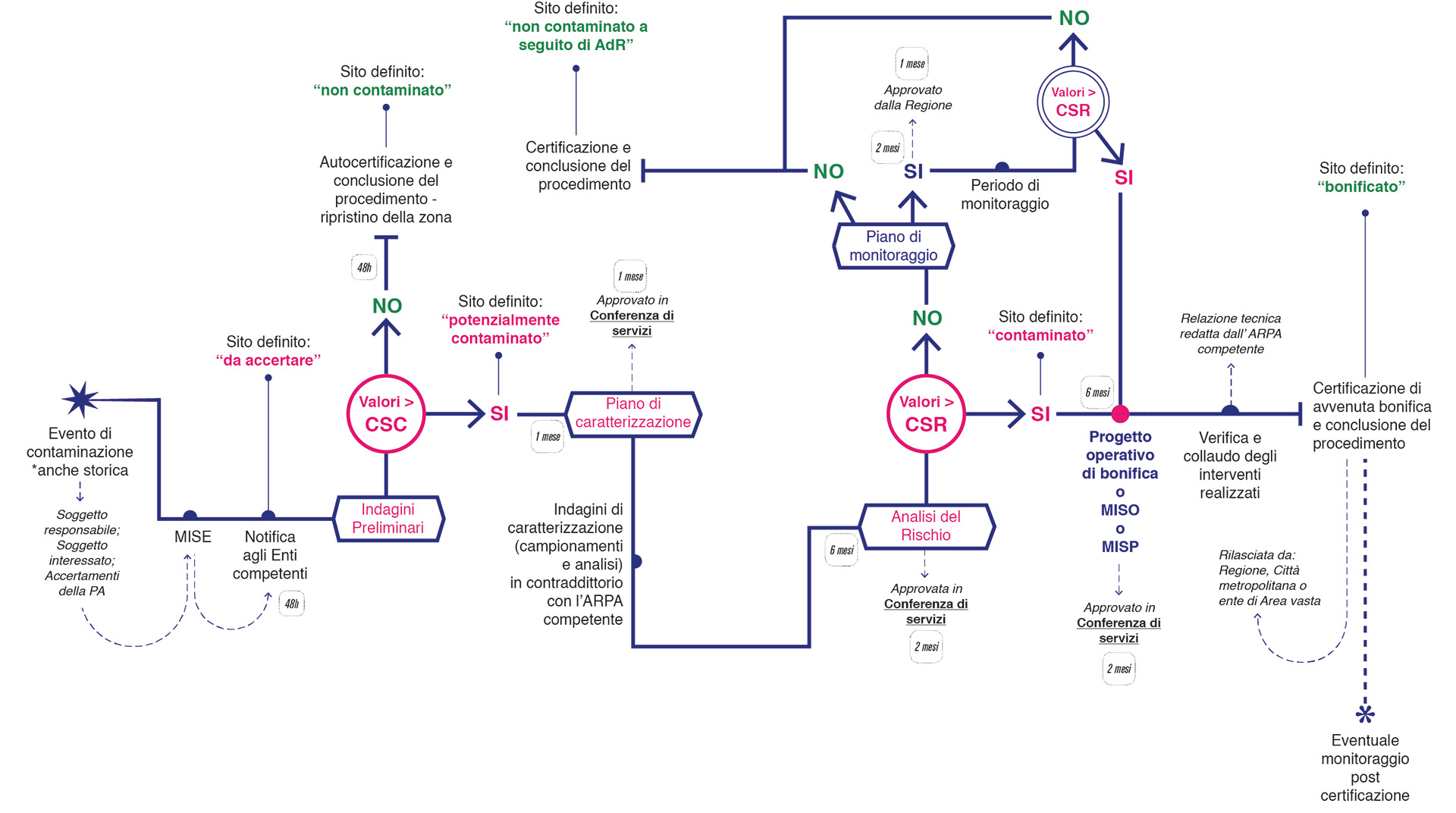
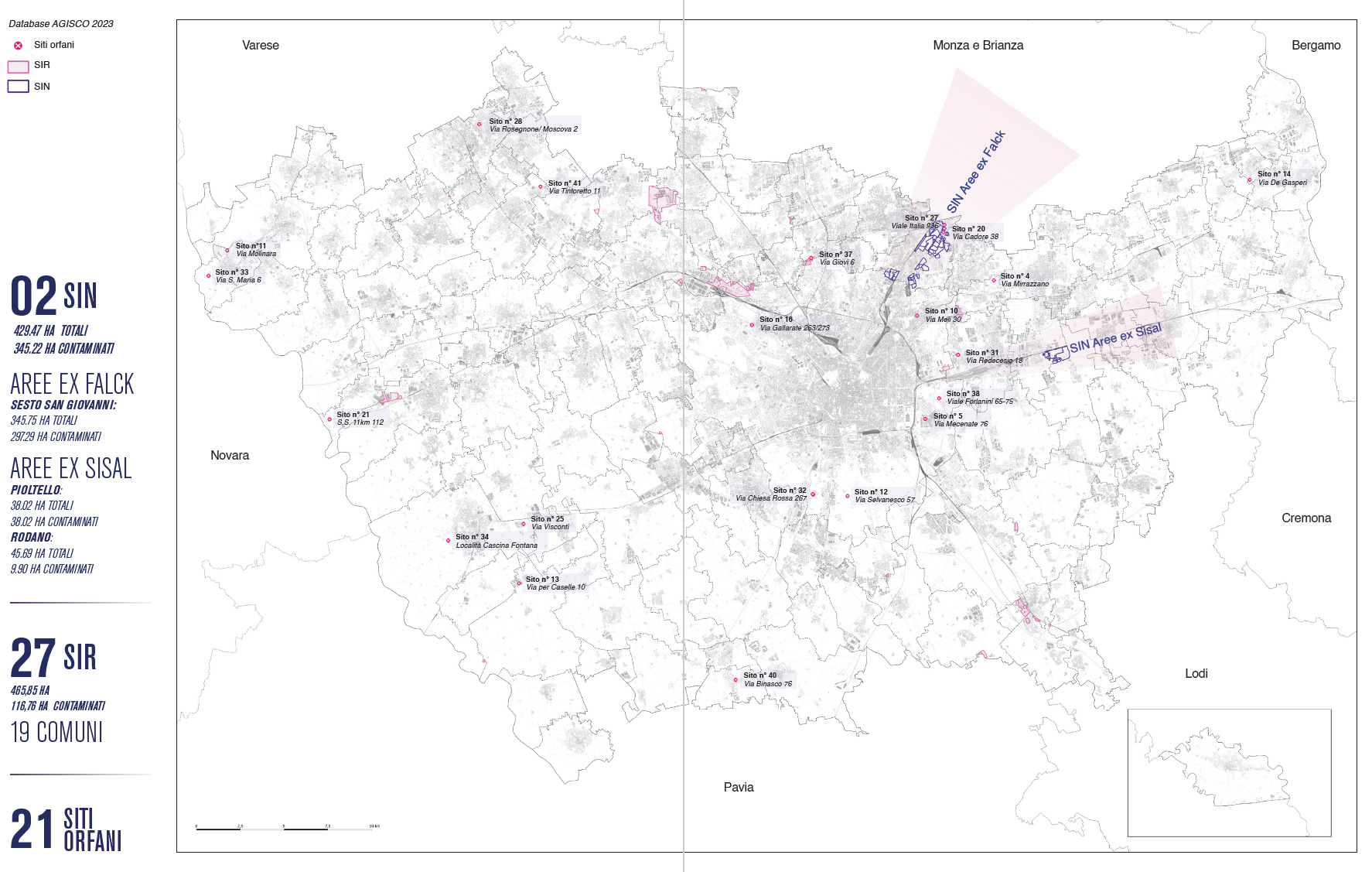
The AGISCO database (Registry and Integrated Management of Contaminated Sites), prepared and updated by ARPA Lombardia up to 2023, was also analysed. Synthetic maps and charts were produced to highlight the main topics of interest, including the duration of contamination and remediation procedures, their spatial distribution, the causes of contamination, the typologies of contaminants and their relationship with remediation timelines, and statistics on ongoing procedures.
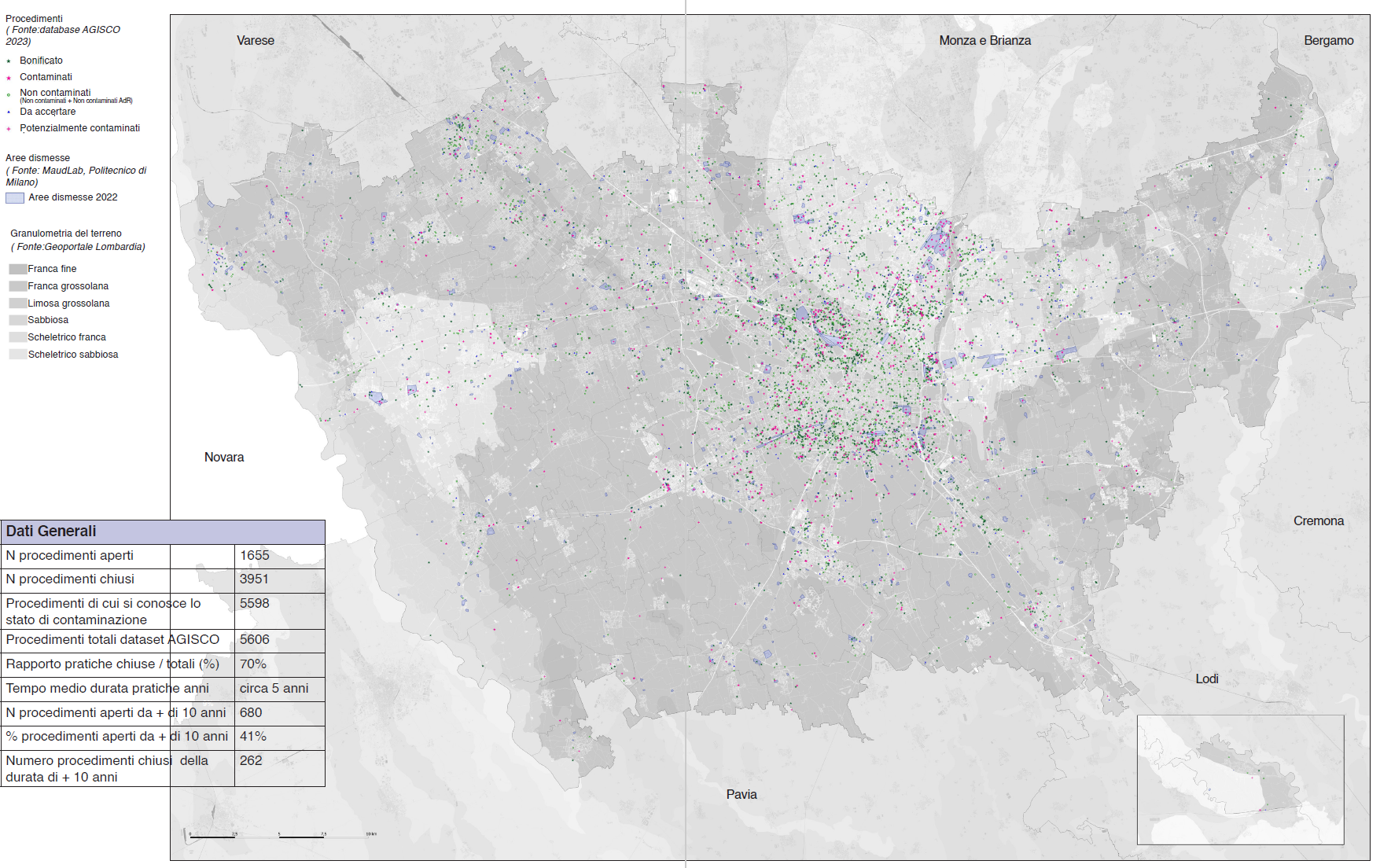
Remediation Procedures (analysis based on the AGISCO database accessed in 2023)
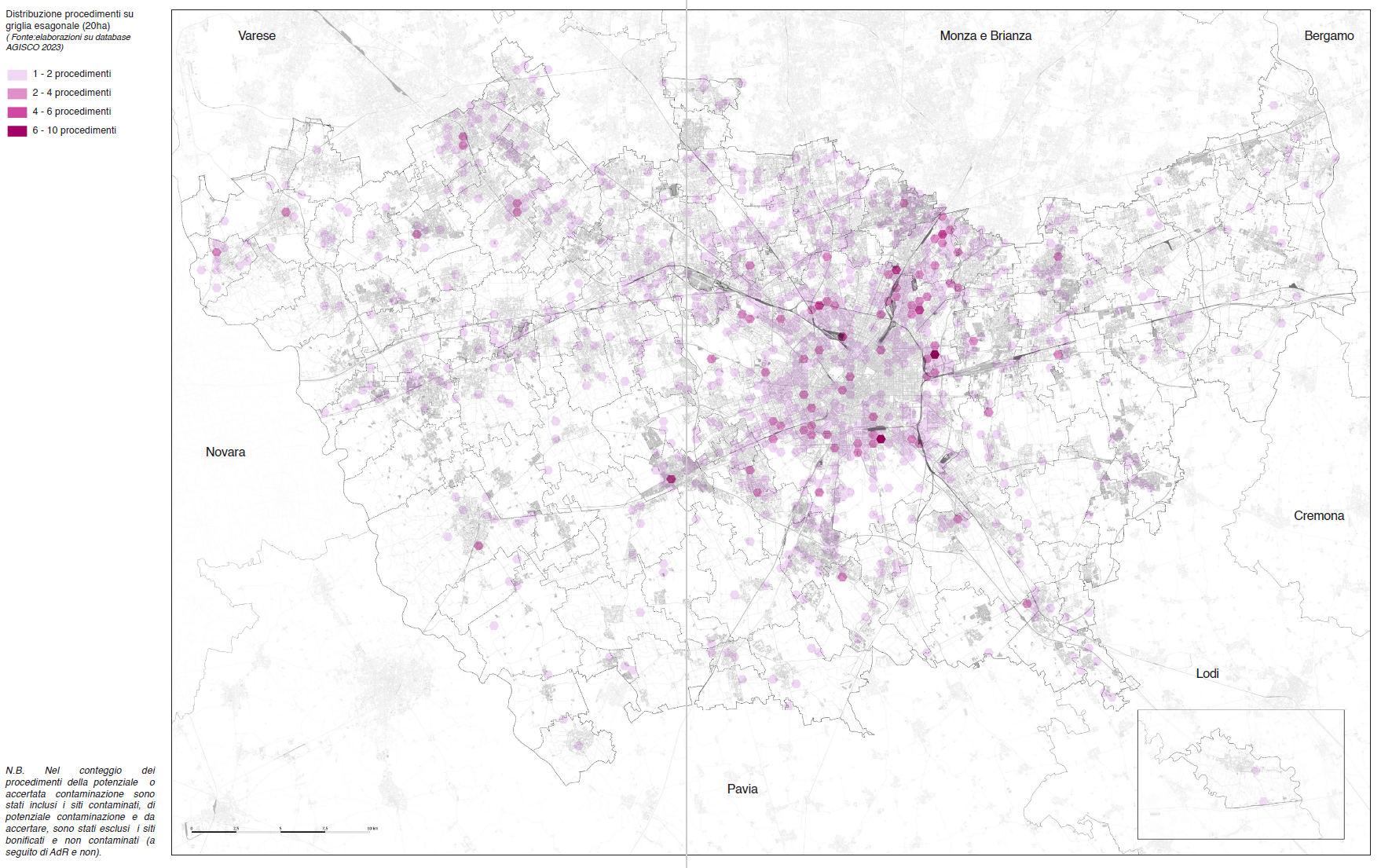
DISTRIBUTION OF THE PROCEEDINGS (analysis based on the AGISCO database accessed in 2023)
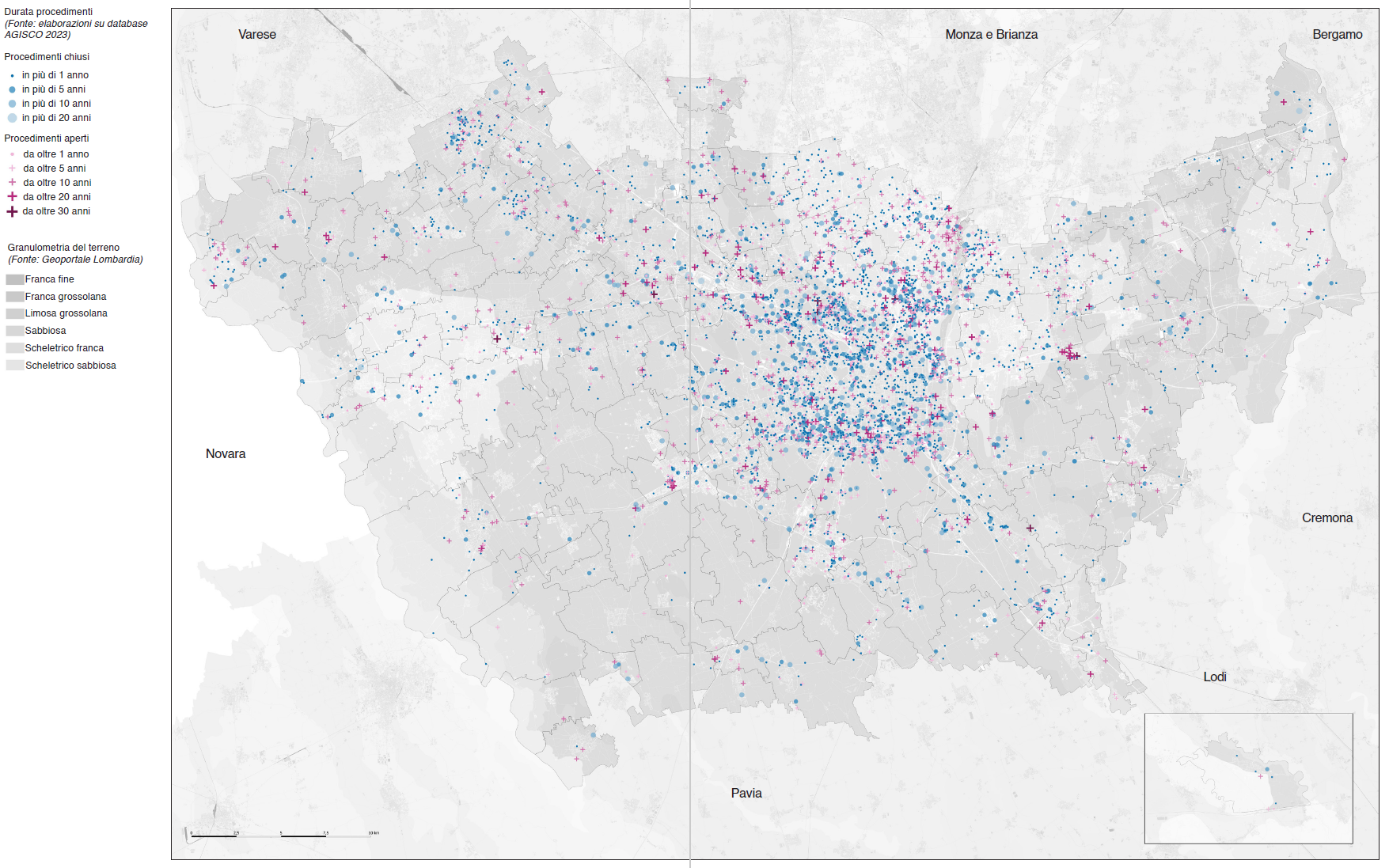
TIMES (analysis based on the AGISCO database accessed in 2023)
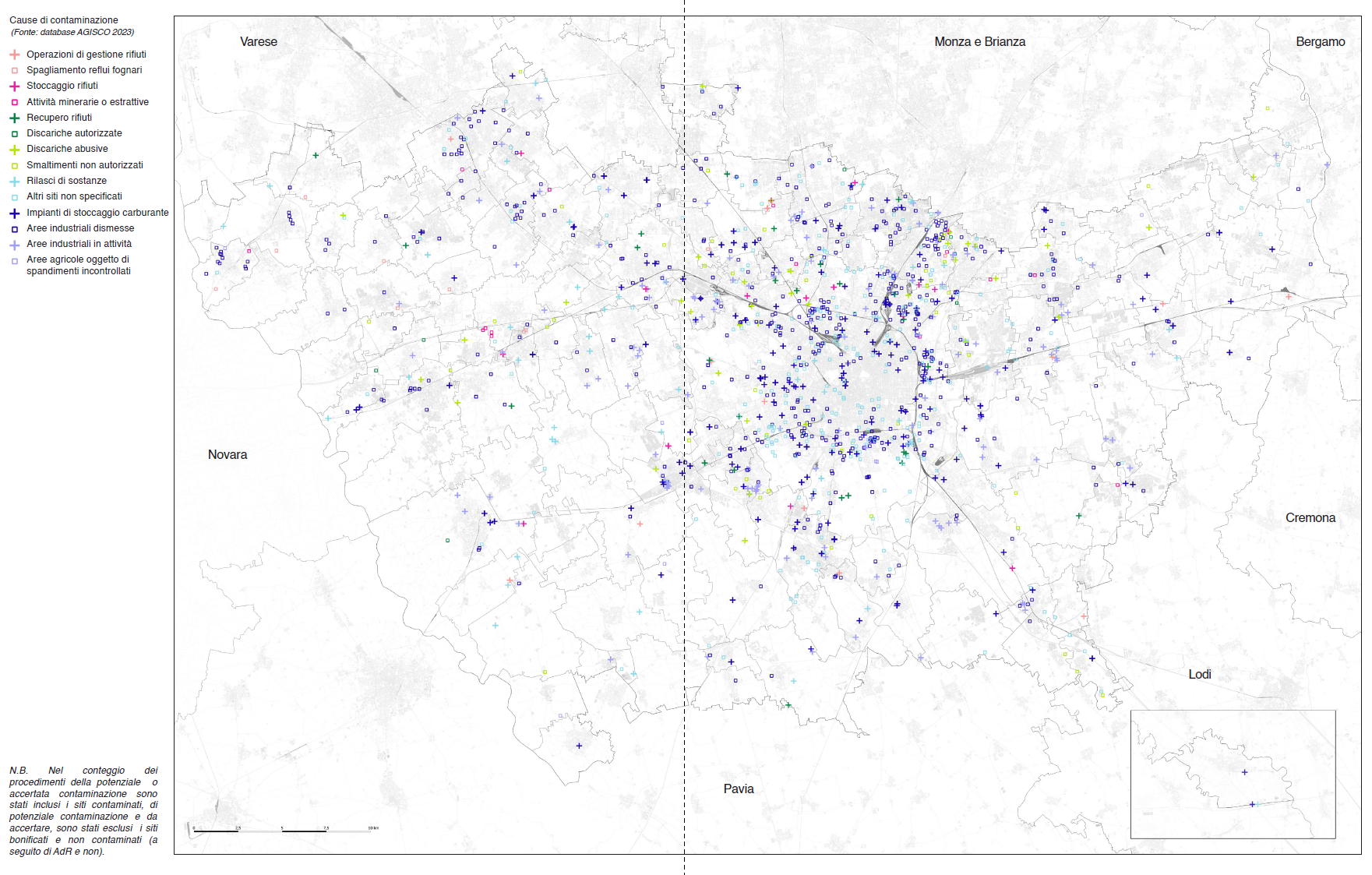
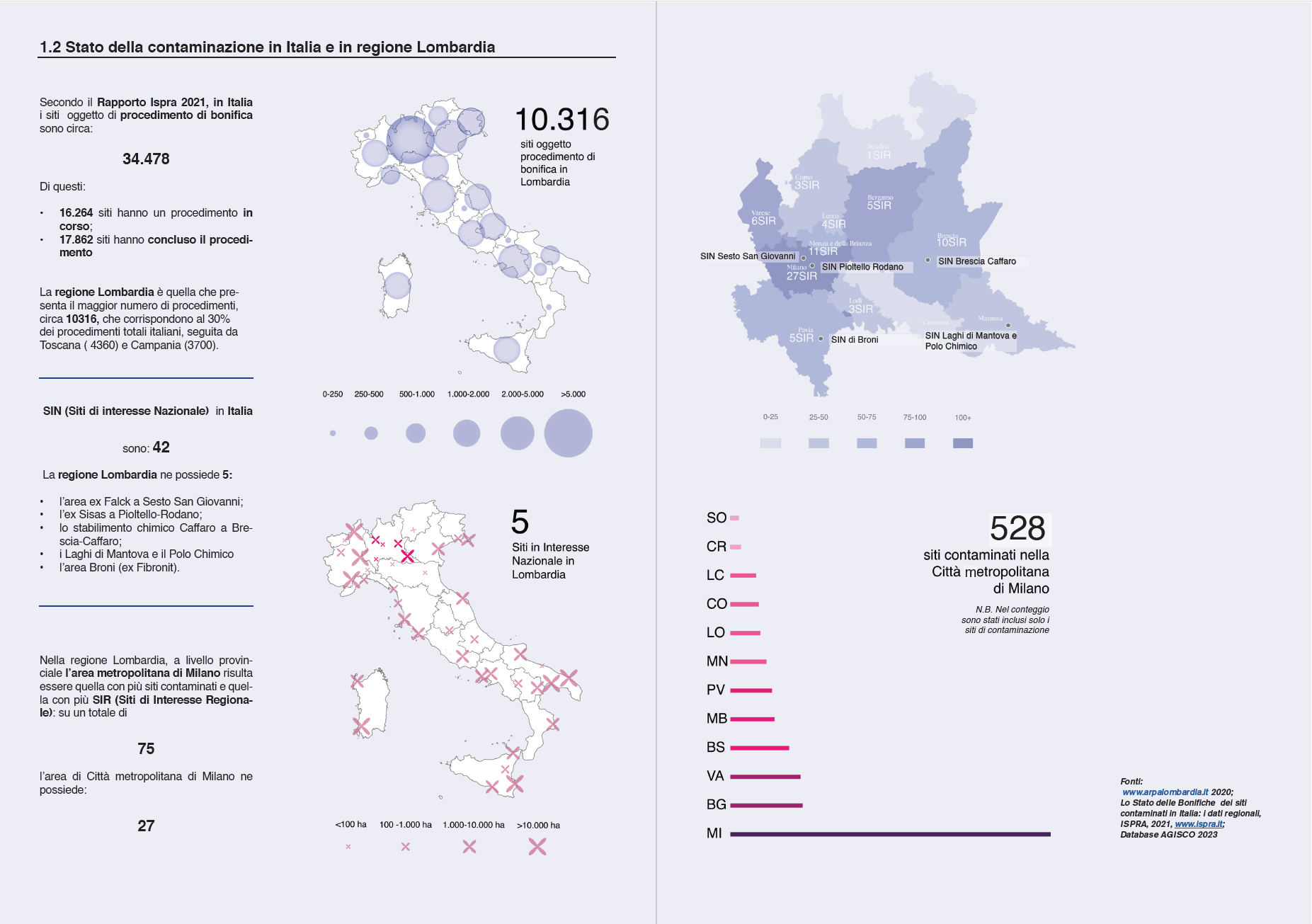
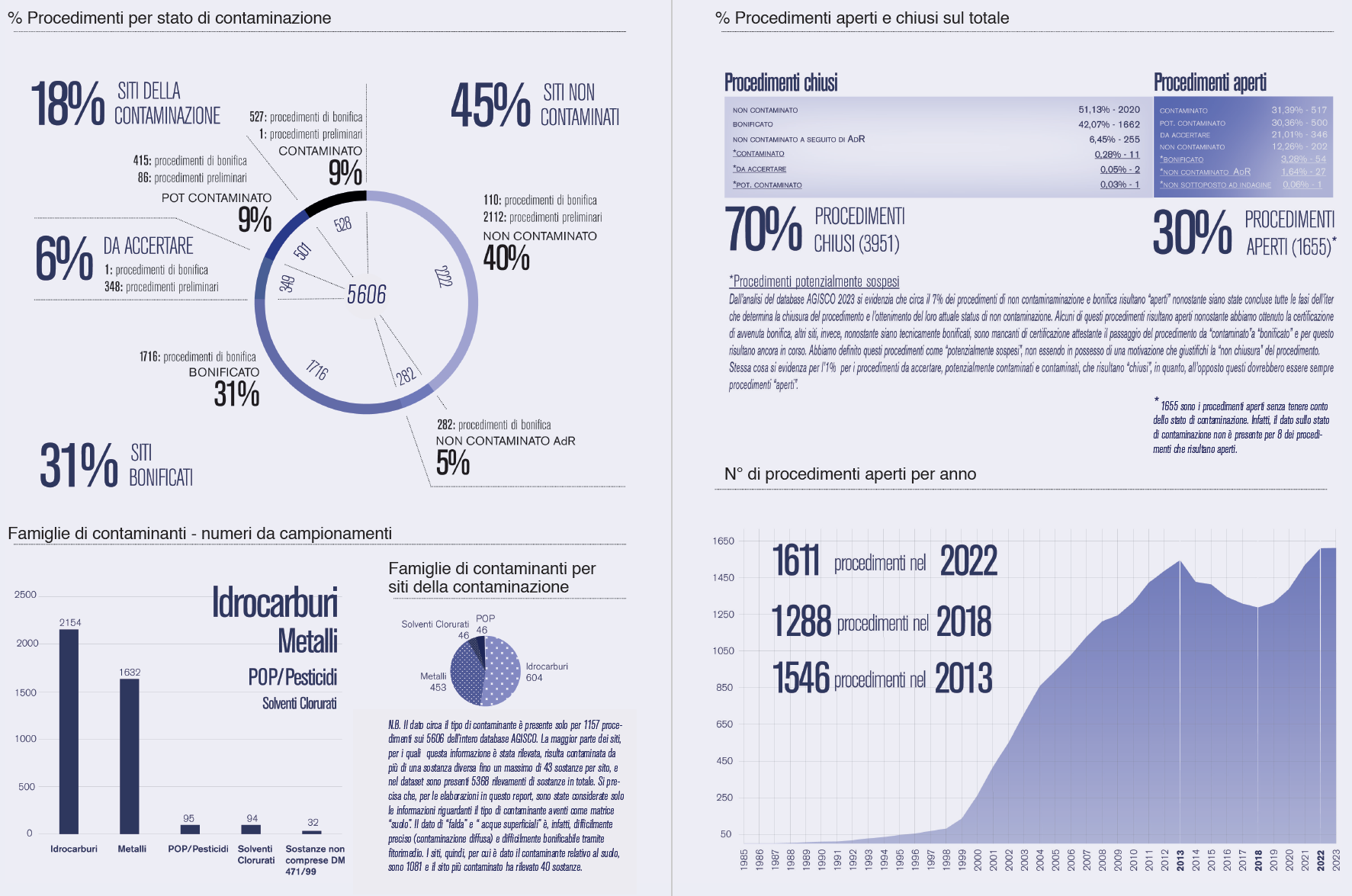
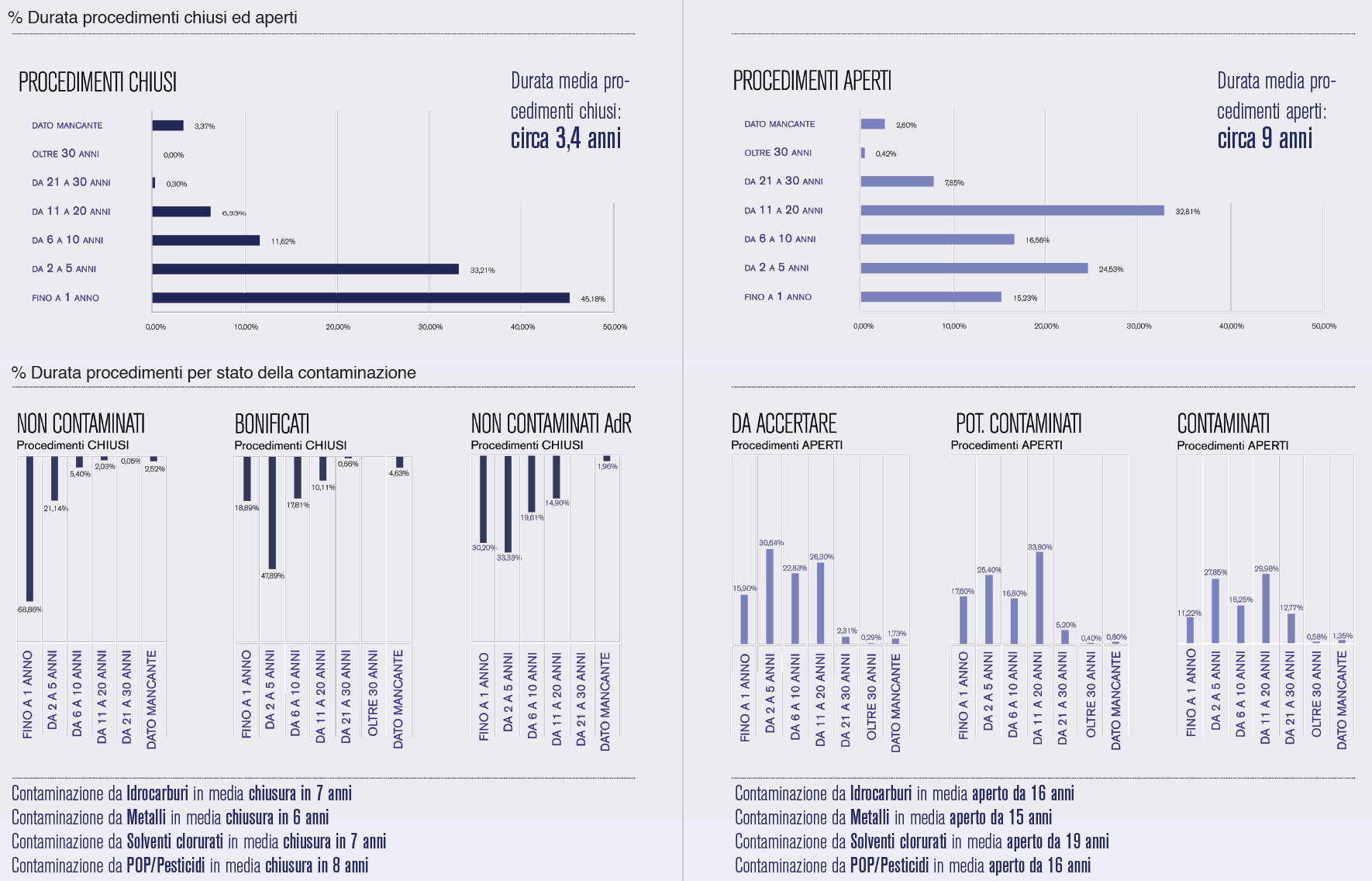
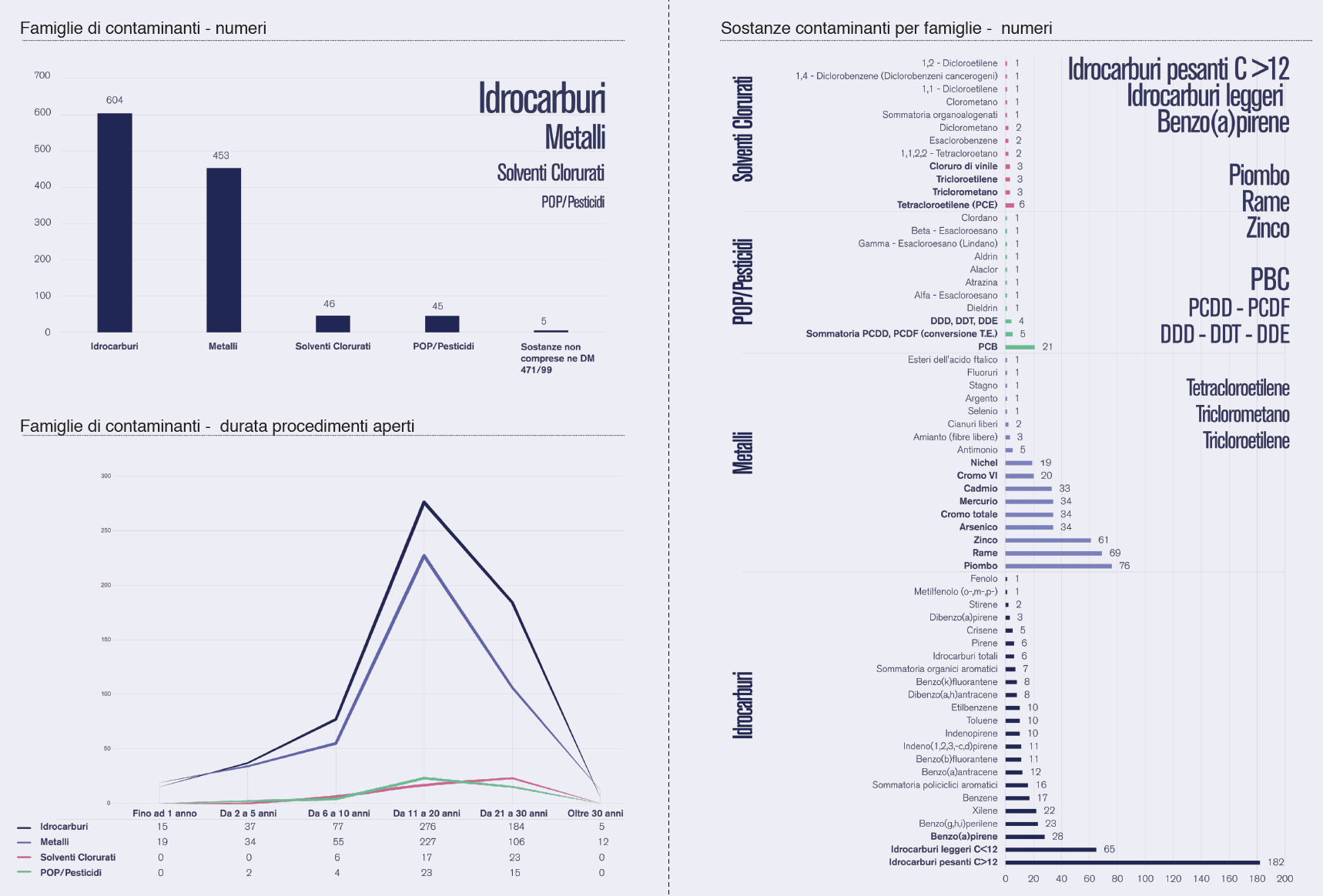
A survey of national and international case studies based on phytoremediation techniques was then conducted. This phase allowed the construction of a reference framework aimed at learning a methodological approach that could be adapted to the metropolitan context. The objective was to identify the most effective phytoremediation techniques depending on the type of contamination, to develop strategies for managing complex remediation processes, and to identify best practices useful for implementing phytoremediation projects, including their spatial and urban design components.
In order to investigate the relationship between areas affected by remediation procedures, and therefore contaminated, and land uses in the Metropolitan City of Milan, a series of synthetic maps were produced to illustrate this relationship. In particular, using a GIS platform, a map of areas of potential degradation within the metropolitan territory was developed based on the analysis of existing open source databases, including quarries, community gardens, abandoned areas, and disused sites. These datasets were then cross referenced with the system of transformation areas identified in planning documents, the system of urban regeneration areas, and the AGISCO database.
------ > TO KNOW MORE : https://doi.org/10.6093/2284-4732/11307
Pastore, M.C.; Parenti, C.; Sibani, L.; Ludovici, L.; Labra, M.; Nissim, W.G. (2024). Urban Grounds for Sustainable Reclamations: the Case Study of Milan Metropolitan Area. BDC Journal, Naples: FedOAPress
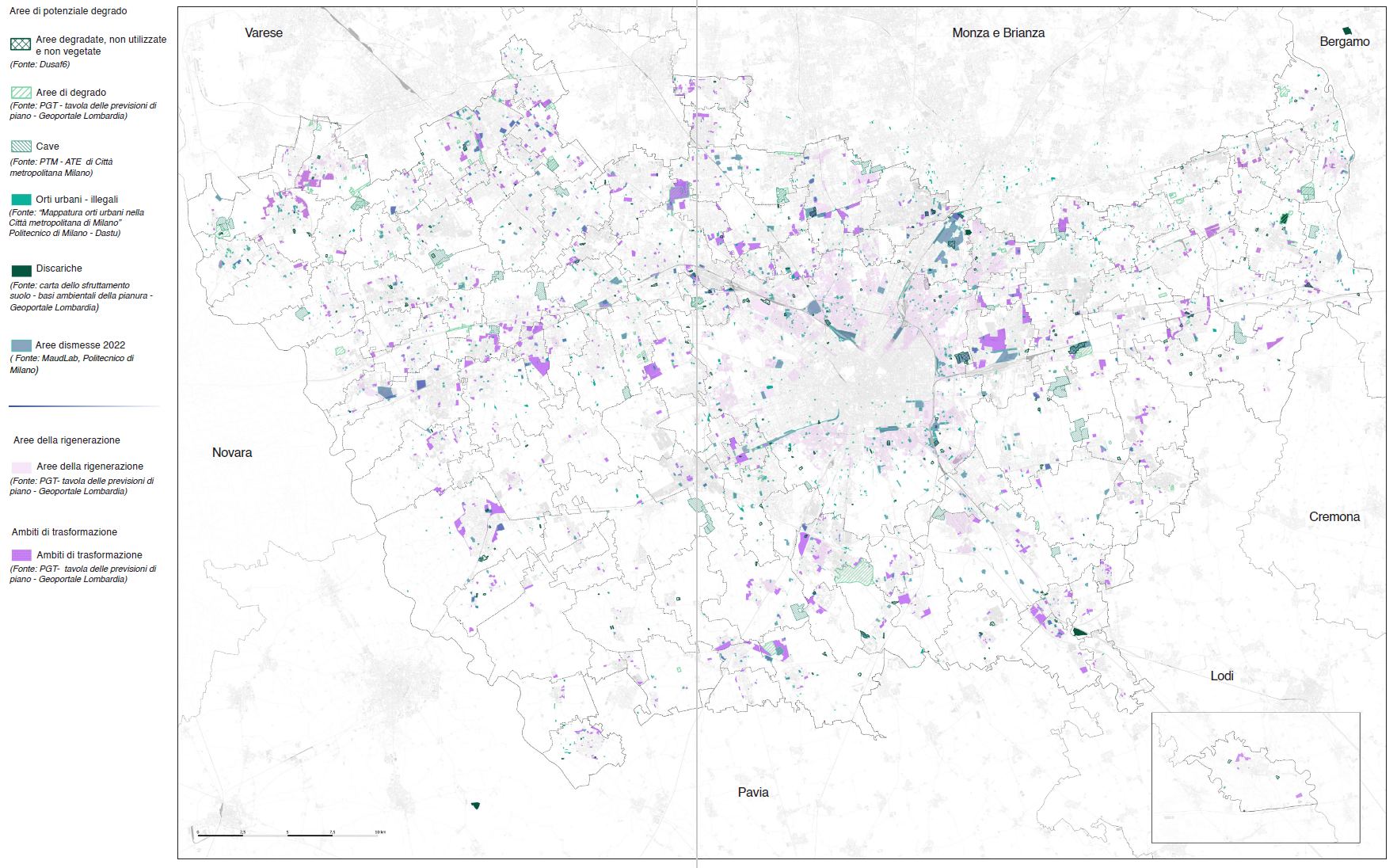
Starting from this mapping, produced for the entire metropolitan territory, two study areas located north and south of the city of Milan were defined for more detailed investigation. For each of these areas, covering 80 square kilometres (10 by 8 kilometres), a database of “potential soil regeneration areas” was developed. This database combined existing datasets with satellite image photointerpretation in order to identify scenarios of degradation related to abandonment, improper uses such as illegal dumping or material storage, or other activities that, even if not illegal, produce degrading environmental conditions.
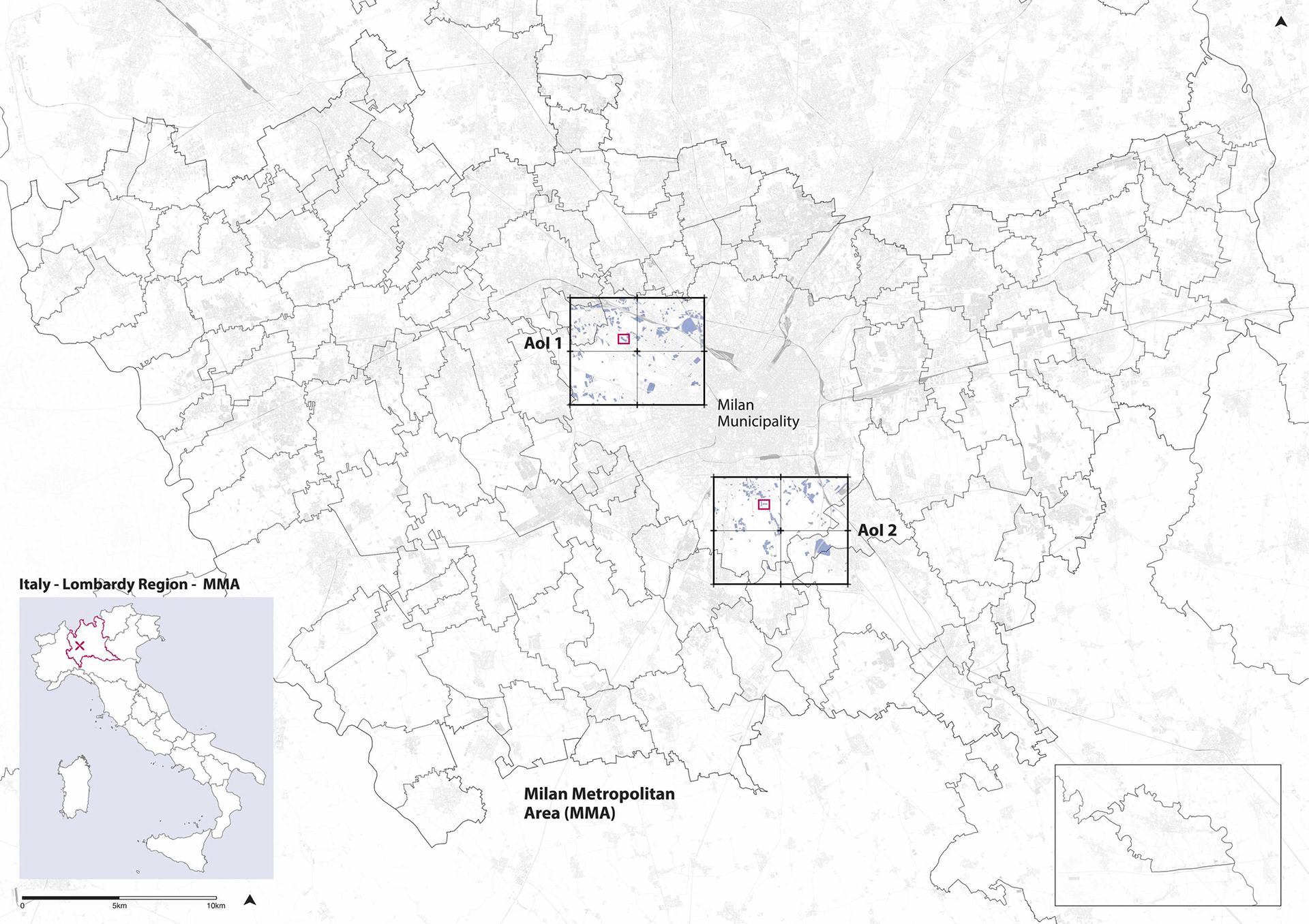
This downscaling activity made it possible to identify new types of spaces and land uses where phytoremediation techniques could be effectively and advantageously applied. In these areas, although contamination has not been formally confirmed, the possible presence of soil contamination can reasonably be hypothesised, making them suitable candidates for phytoremediation interventions.
A methodology was then developed to define the suitability of areas for phytoremediation, with the objective of identifying the most promising sites for intervention. This methodology, developed in collaboration with the University of Milano-Bicocca, considers both the characteristics of the areas (size and vegetation cover) and soil properties (texture, carbon content, and pH). It also evaluates whether the sites are associated with AGISCO remediation procedures currently classified as “in standby”, and their inclusion within or proximity to ecological networks and municipal green systems, in order to establish intervention priorities.
------ > TO KNOW MORE : https://doi.org/10.1016/j.las.2025.100022
------ > TO KNOW MORE : https://doi.org/10.1016/j.las.2025.100022
Pastore, M.C.; Parenti, C.; Sibani, L.; Ludovici, L.; Labra, M.; Nissim, W.G.(2025) Phytoremediation as urban regeneration strategy: A framework for sustainable land reclamation in the Milan Metropolitan Area, Landscape Architecture and Sustainability, Article 100022
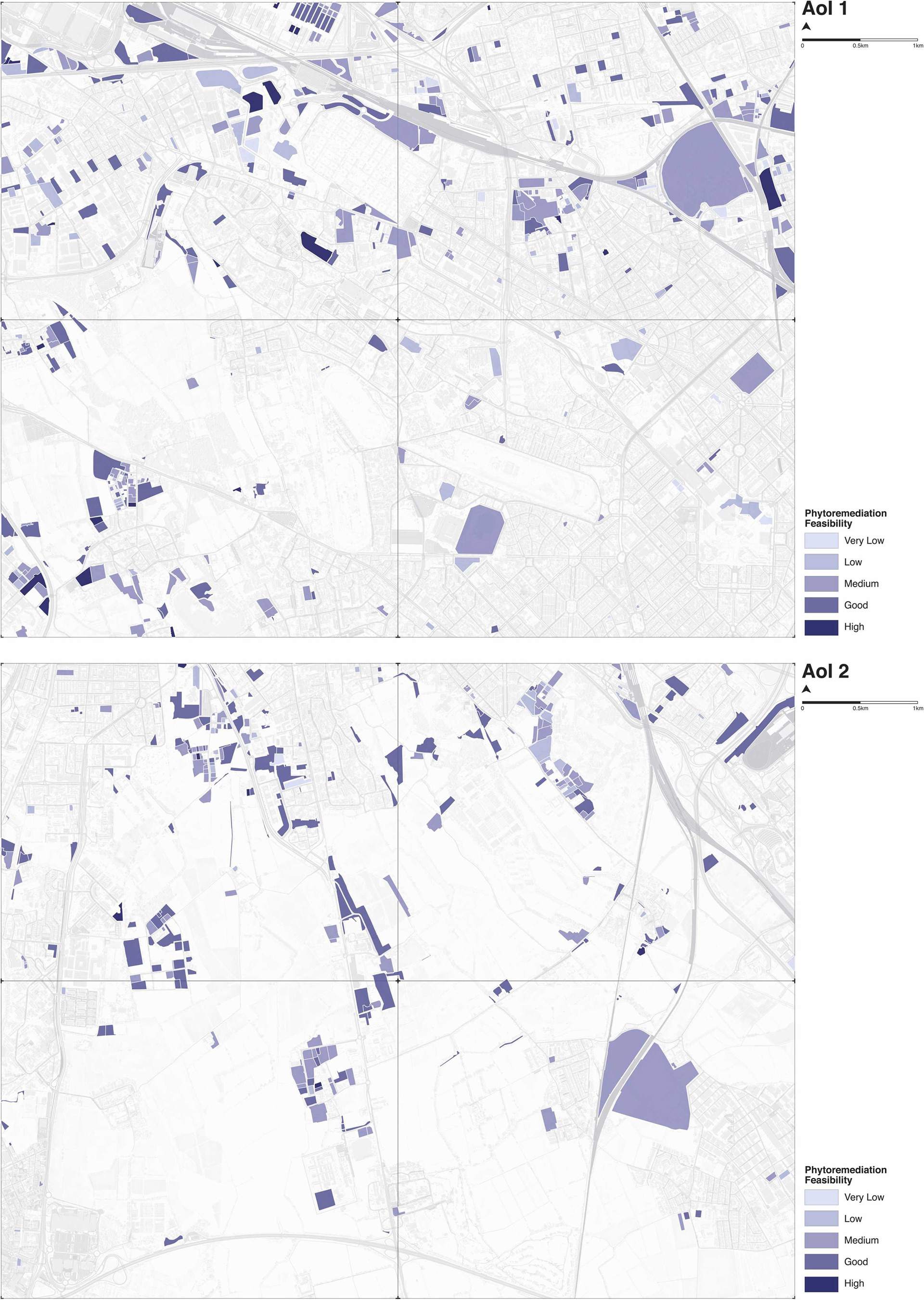
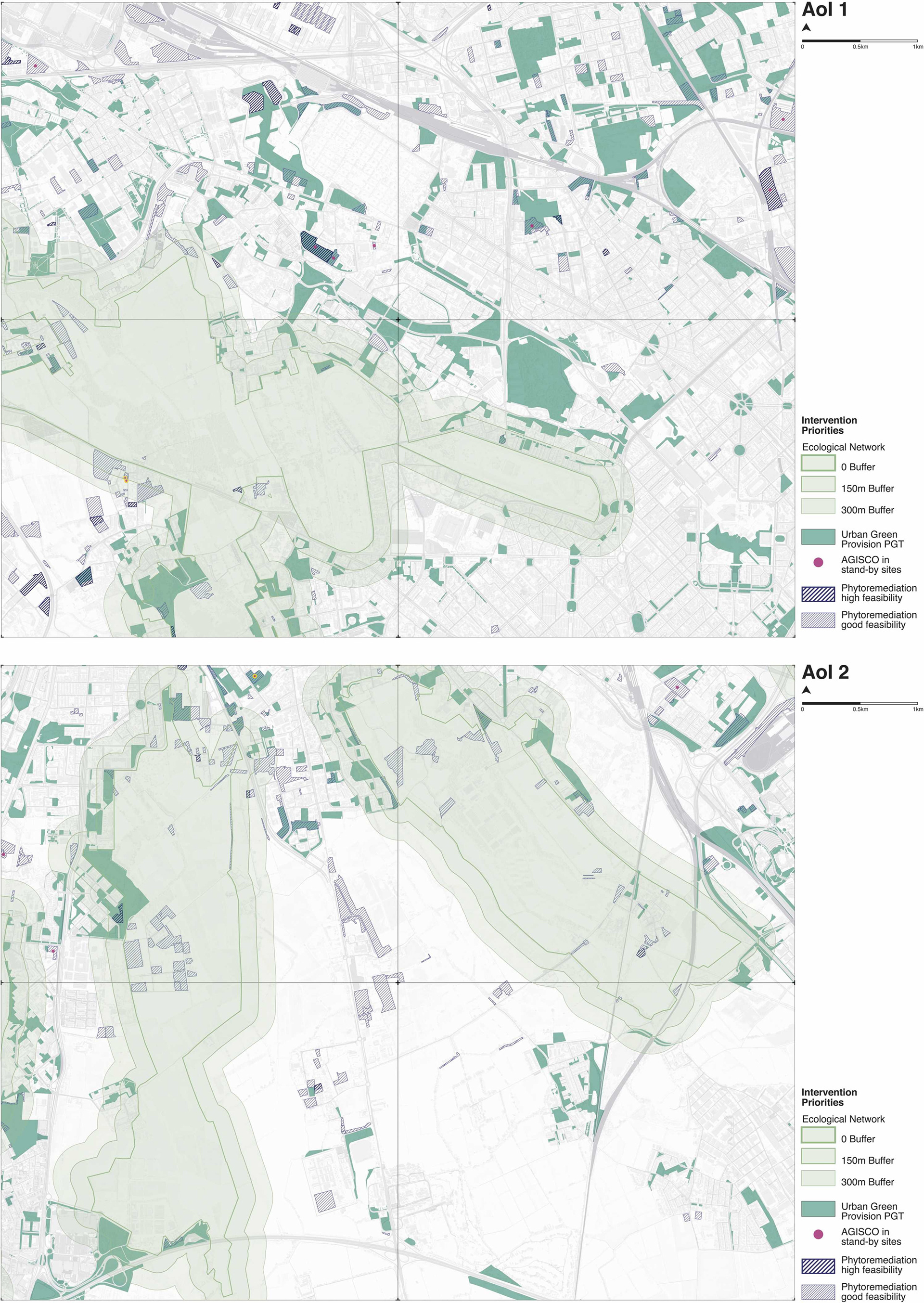
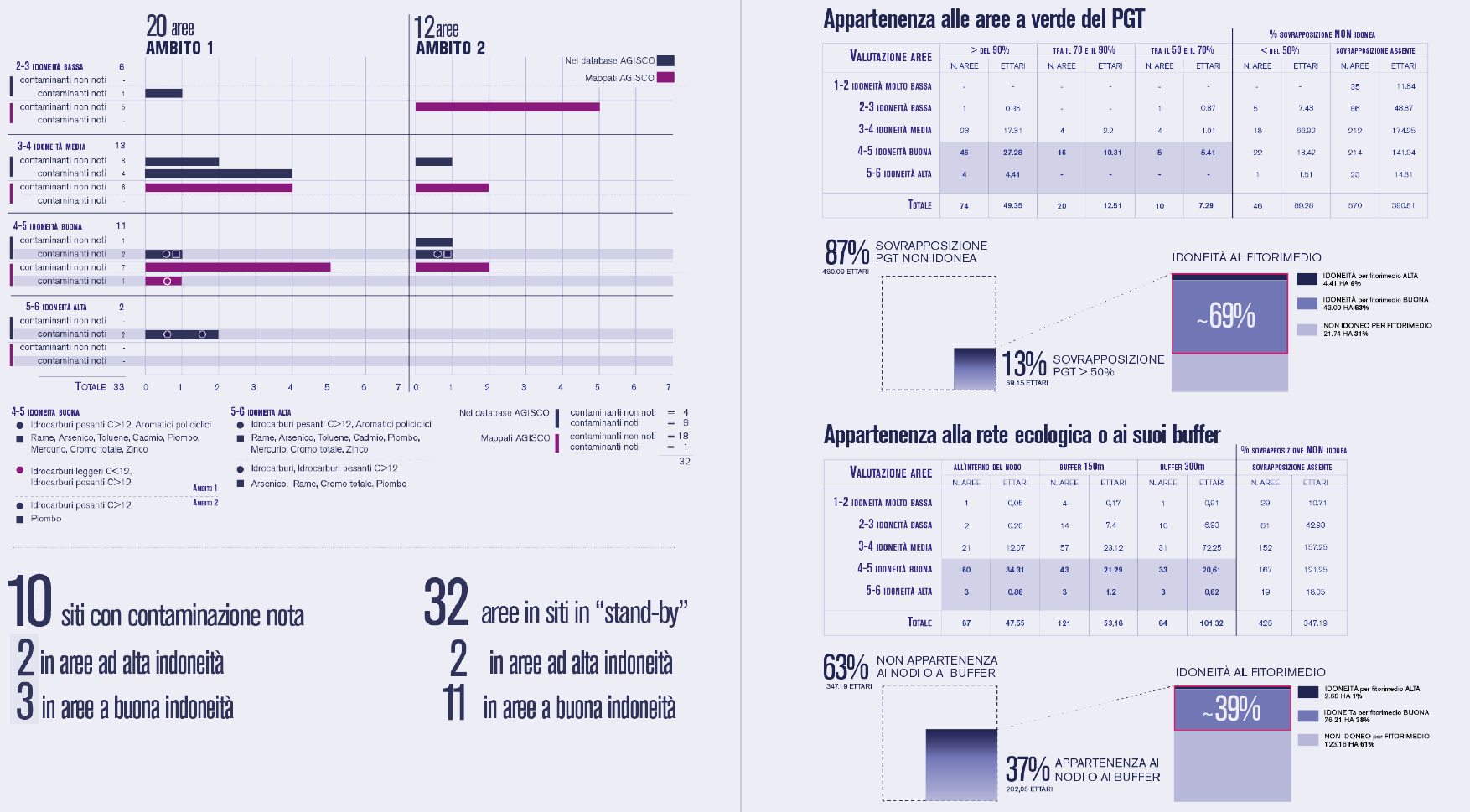
In parallel with this work, the development of a stakeholder mapping process was initiated in order to identify the actors to be involved in the project. A first phase of one to one interviews was also launched with the aim of investigating the remediation process and the strengths and weaknesses of phytoremediation techniques. In particular, interviews were conducted with engineers Cosettini and Lagorio from the Municipality of Milan, and with Dr. Citterio from the University of Milano Bicocca.
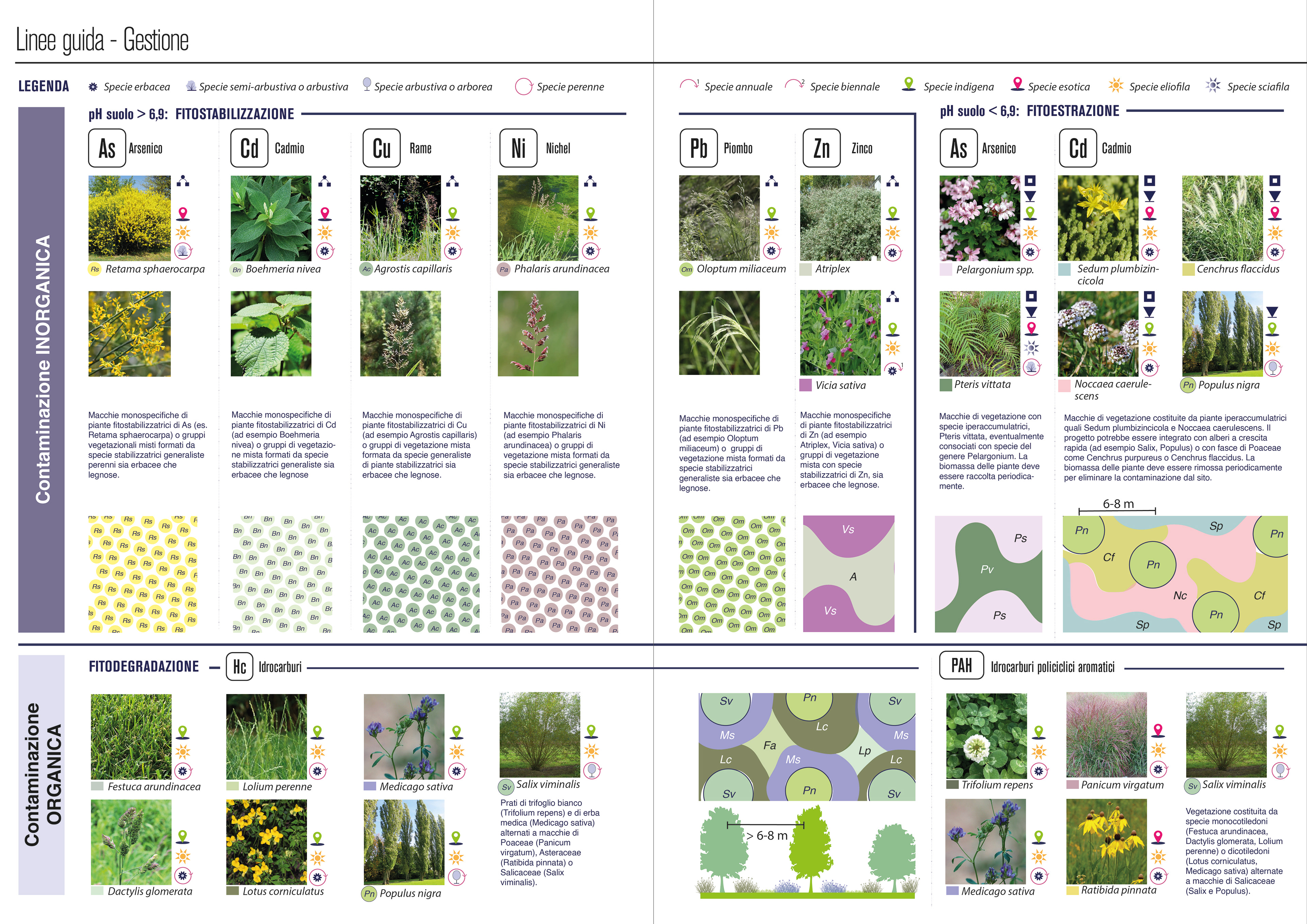
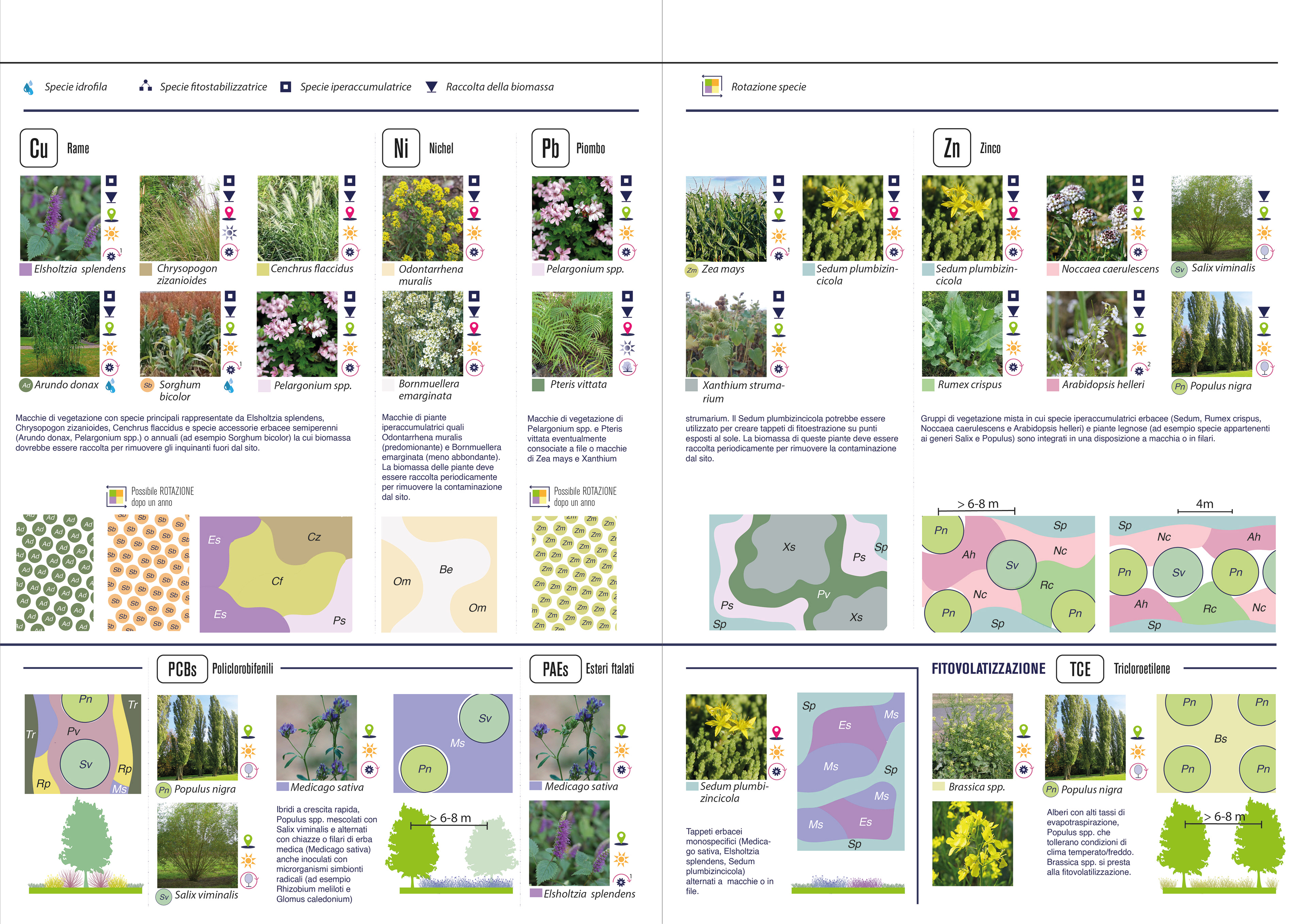
In collaboration with the University of Milano Bicocca teams ( botanists and agronomists) guidelines were developed to support the design, implementation, and management of phytoremediation interventions at real scale. In particular, a model was developed that, based on a set of specific environmental factors and the type of contamination present, identifies one or more phytoremediation approaches. For each typology, the model also specifies the corresponding implementation methods and management strategies required for the establishment and maintenance of the system.
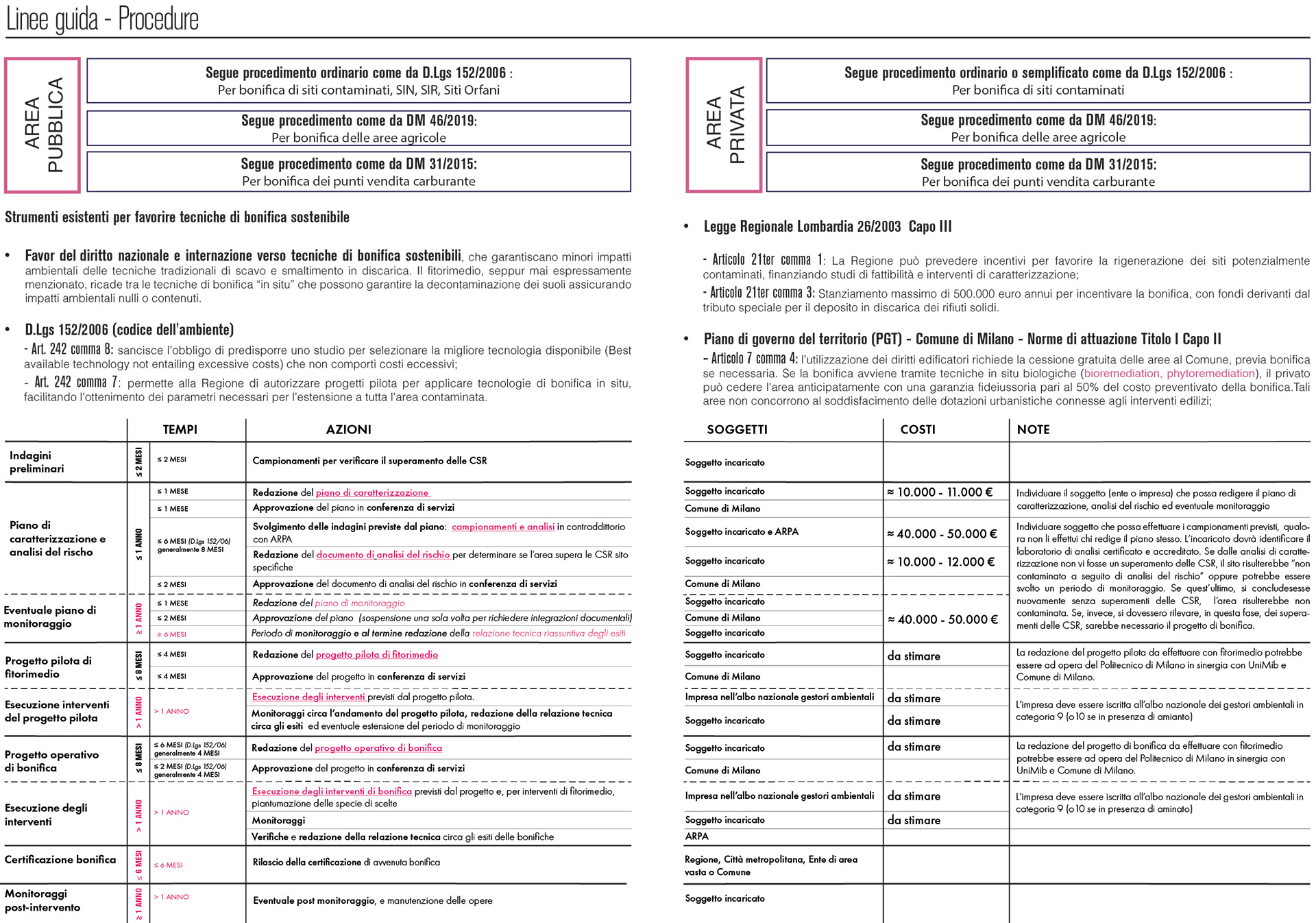
Finally work was done, in coordination with the Municipality of Milan, to identify a specific site where the proposed objectives, tools, and solutions can be tested. In this regard, the entire phytoremediation process has been further clarified through the development of synthesis diagrams identifying the different phases (actions and timelines) in comparison with traditional remediation processes, the actors involved and responsible for validating successful outcomes, the institutions responsible for preparing the necessary project materials (analyses and sampling, plans and projects, and the implementation of interventions), and the costs associated with the entire procedure.
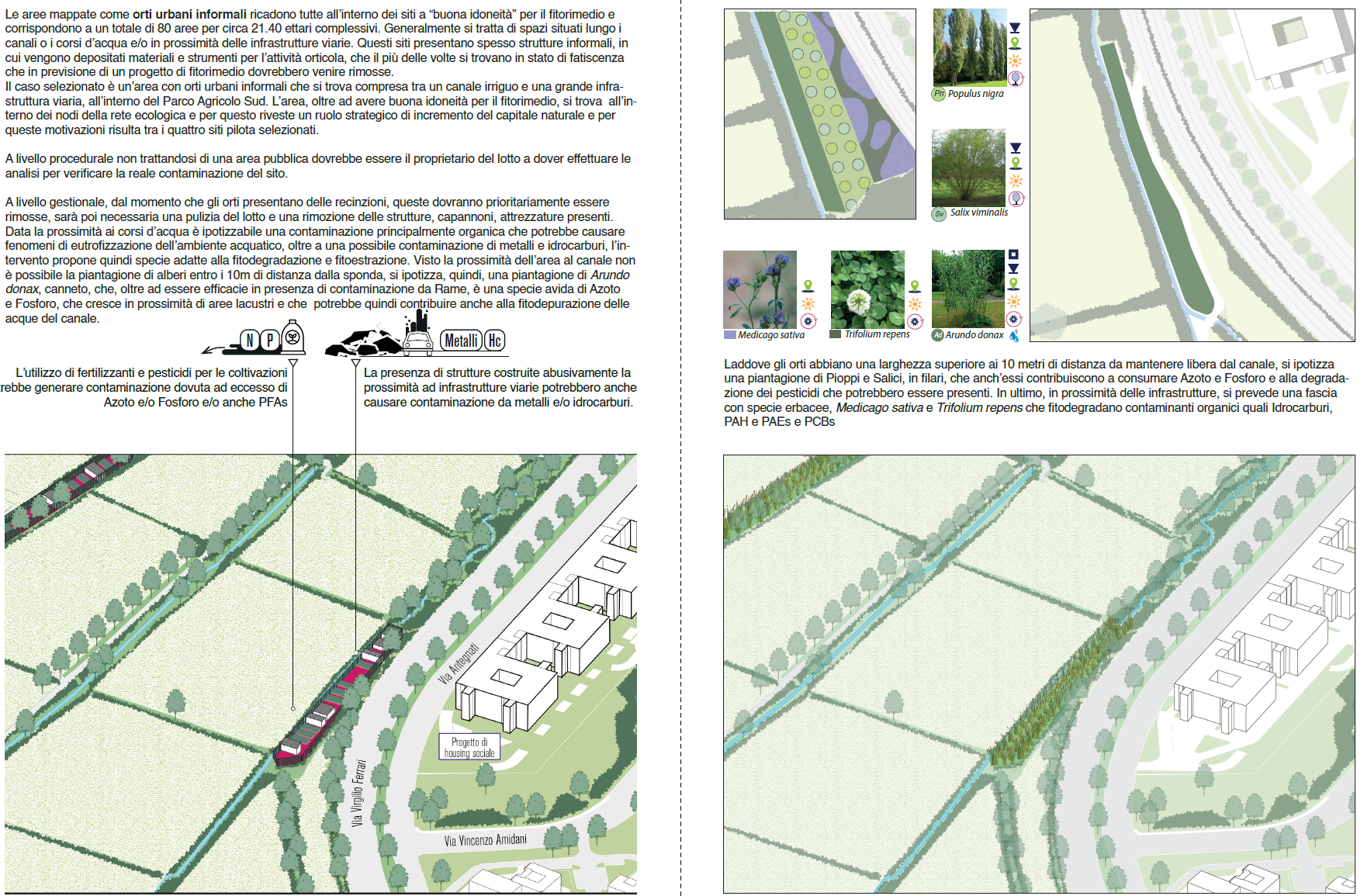
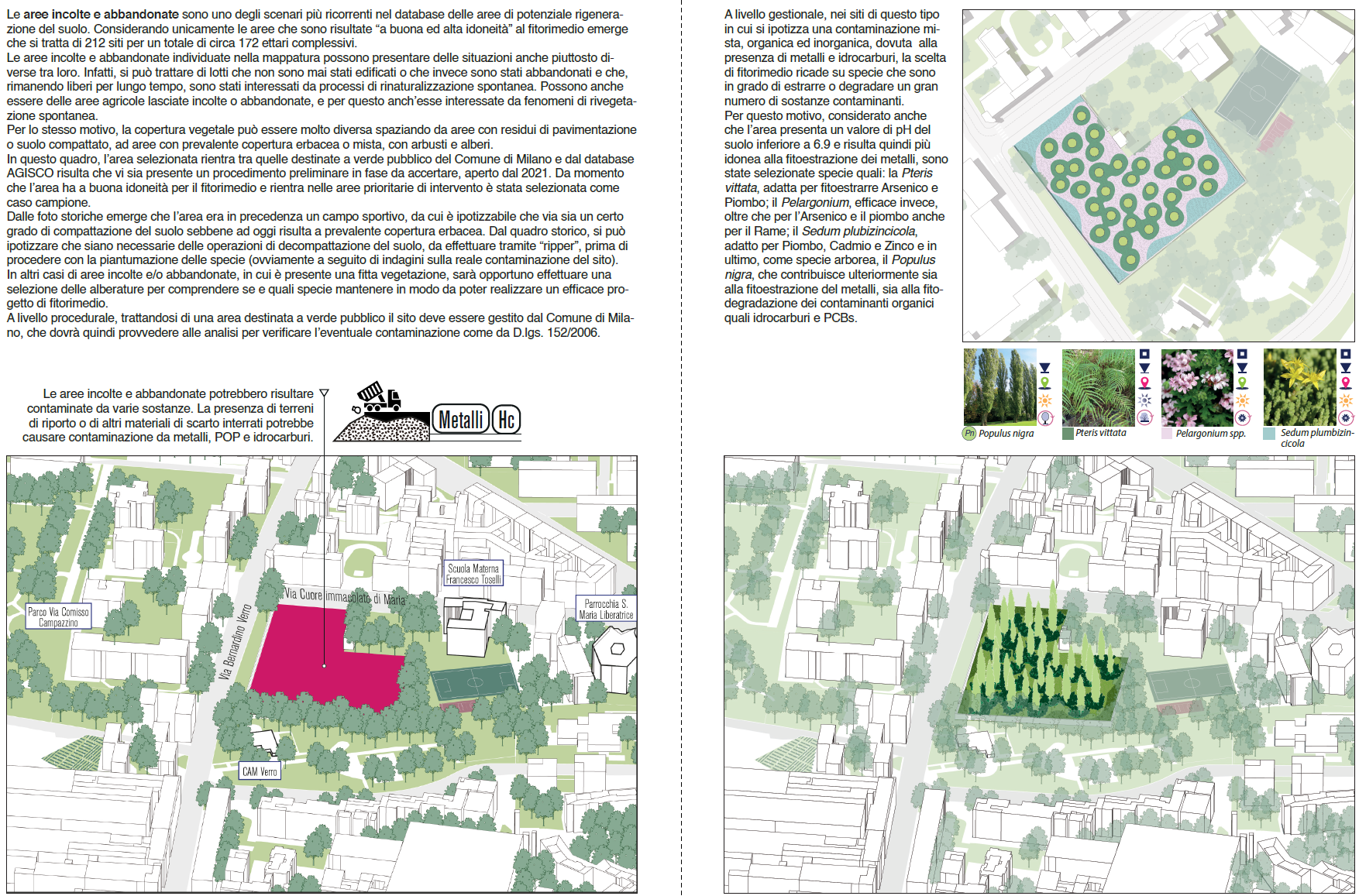
Since the Municipality of Milan has proposed two potential sites for the implementation of the project, both areas have been analysed and a specific feasibility study has been prepared. This study takes into account the materials currently available as well as previous investigations carried out on the sites, including preliminary studies, sampling activities, and site characterisation plans.
Publications & Conference Proceedings related to this work
Pastore, M.C.; Parenti, C.; Sibani, L.; Ludovici, L.; Labra, M.; Nissim, W.G. (2024). Urban Grounds for Sustainable Reclamations: the Case Study of Milan Metropolitan Area. BDC Journal, Naples: FedOAPress. https://doi.org/10.6093/2284-4732/11307
Pastore, M.C.; Parenti, C.; Ludovici, L.; Sibani, L. (2024). Overcoming Contamination in an Urban Context: Phytoremediation in the Metropolitan Area of Milan. In Proceedings of the European Towns and Town Planners, Naples (Italy), 21–23 April 2024.
Pastore, M.C.; Parenti, C.; Ludovici, L.; Sibani, L. (2024). Phytoremediation as Urban Forestry Strategy: The Case Study of Milan Metropolitan Area. In Proceedings of the European Forum on Urban Forestry, Zagreb (Croatia), 22–24 May 2024.
Sibani, L.; Pastore, M.C.; Parenti, C.; Ludovici, L. (2025). The Public Value of Environmental Restoration Actions in Degraded Areas: Integrating Phytoremediation for Sustainable Urban Regeneration. In Proceedings of the XXVII SIU National Conference, Publicness: Challenges of the Public Dimension in Cities and Territories, Politecnico di Milano (Italy), 18–20 June 2025. (Accepted, in press)
Pastore, M.C.; Parenti, C.; Sibani, L.; Ludovici, L.; Labra, M.; Nissim, W.G. (2025) Phytoremediation as urban regeneration strategy: A framework for sustainable land reclamation in the Milan Metropolitan Area, Landscape Architecture and Sustainability, Article 100022. https://doi.org/10.1016/j.las.2025.100022
Conferences
Overcoming Contamination in an Urban Context: Phytoremediation in the Metropolitan Area of Milan. European Towns and Town Planners, Naples (Italy), 21–23 April 2024.
Phytoremediation as Urban Forestry Strategy: The Case Study of Milan Metropolitan Area. European Forum on Urban Forestry, Zagreb (Croatia), 22–24 May 2024.
Urban Transformation through Phytoremediation for Healthier Soil and Land Management: The Case of Milan Metropolitan Area. 5th ESP Ecosystem Services – Europe Conference, Wageningen (The Netherlands), 18–22 November 2024.
The Public Value of Environmental Restoration Actions in Degraded Areas: Integrating Phytoremediation for Sustainable Urban Regeneration. SIU – XXVII National Conference, Politecnico di Milano (Italy), 18–20 June 2025.